
Procurement· 7 min read
Importing ophthalmic devices into Indonesia: a procurement guide
The documents, registration checks and logistics decisions that keep an ophthalmic equipment import from stalling at the border or failing an audit.
By PrecisionMed Editorial · 5 September 2026
Importing medical devices into Indonesia is a documentation exercise as much as a logistics one. Procurement teams that plan the paperwork early avoid the two most common failures: shipments held at customs and purchases rejected at audit. This guide outlines the checkpoints we work through with hospital clients.
1. Confirm registration before you tender
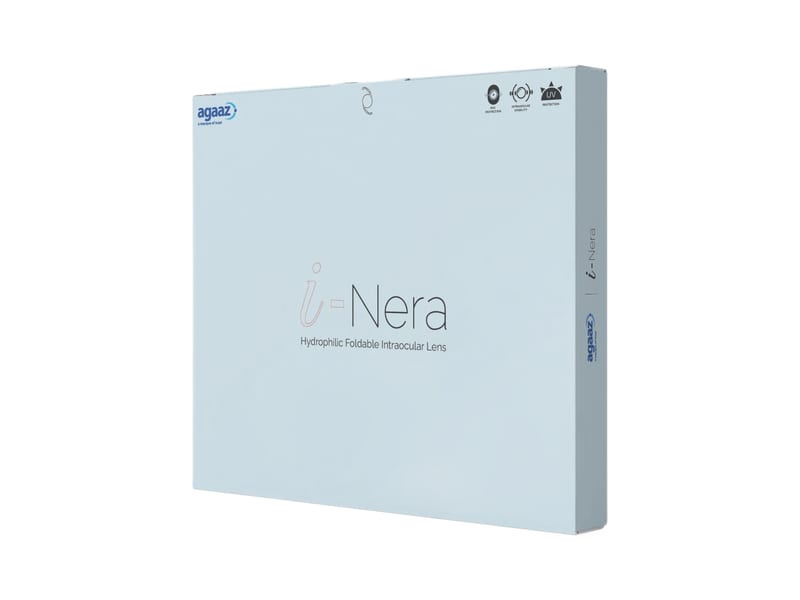
Every medical device sold in Indonesia needs a valid marketing authorisation. Confirm the registration status of the exact model and configuration before it goes into a tender specification. A lens with a registered diopter range, or a laser with a registered delivery option, may not cover the variant you intend to buy.
Placeholder: the specific Ministry of Health (Kemenkes) pathway and distribution licence requirements will be detailed here once confirmed with our regulatory advisers.
2. Agree the commercial terms that drive the paperwork
Incoterms determine who files what. Decide early whether you buy EXW, FCA, CIF or DAP, because the choice sets the customs valuation basis, who appoints the forwarder and who pays duties and taxes on arrival. For hospital tenders a delivered basis is often simplest, but confirm what your procurement rules allow.
3. Prepare the document set
A complete set typically includes:
- commercial invoice and packing list, consistent with the purchase order;
- certificate of origin and manufacturer’s certificate of conformity;
- product registration reference and the importer’s licence details;
- batch, serial or diopter lists for traceability;
- for lasers and electrical equipment, safety and electromagnetic compatibility certificates.
Inconsistencies between the invoice, packing list and registration record are the most frequent cause of customs queries.
4. Plan the logistics
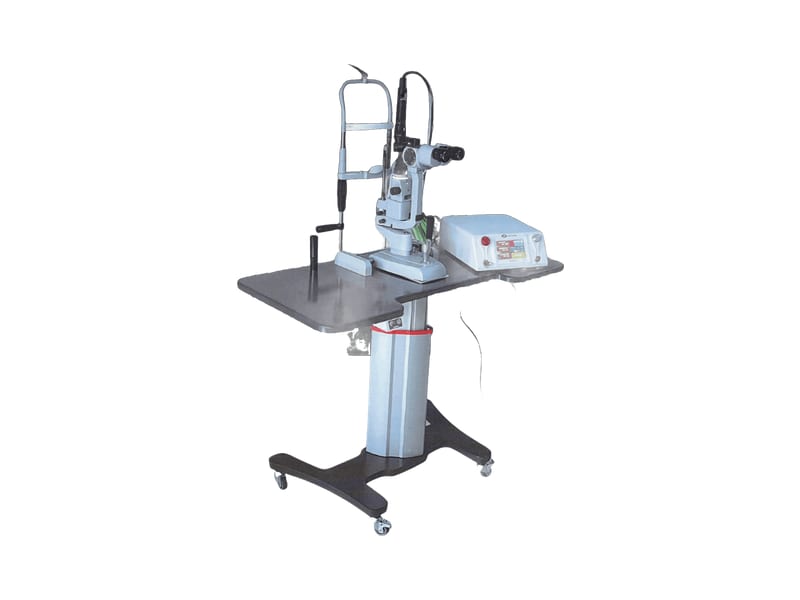
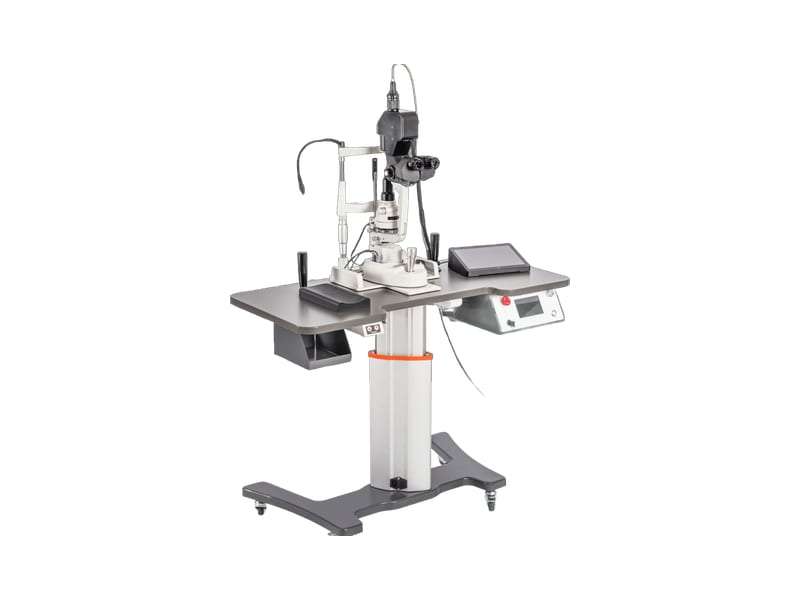
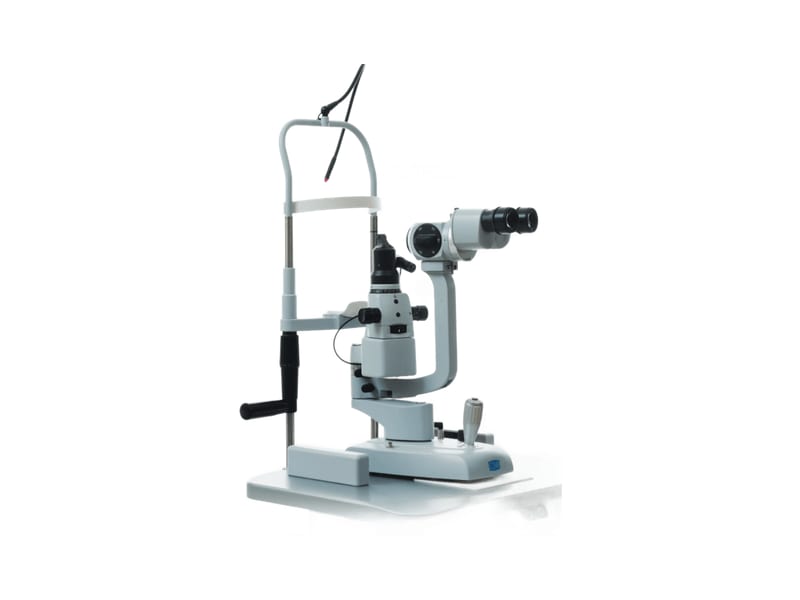
Volumetric weight, not just actual weight, drives air freight cost for slit lamps, tables and consoles. Lasers may require specific packaging and handling declarations. Routing through Singapore allows consolidation of orders from several manufacturers into one documented shipment, which simplifies import declaration and reduces the number of customs entries.
5. Receive, install and record
On arrival, check serial numbers against the packing list, record them in the hospital asset register and keep the document set with the purchase file. Installation, calibration and training should be documented for warranty and accreditation purposes.
PrecisionMed prepares and verifies this documentation for every shipment we supply and coordinates installation and training in Indonesia. Contact us to discuss a specific import.
Related products
Talk to an ophthalmic specialist
Send us your equipment list and timeline. We reply within one business day.