Diagnostics· 5 min read
OCT vs ophthalmic ultrasound: which and when
Both image the eye, but they answer different questions. How OCT and A/B-scan ultrasound complement each other in a diagnostic lane.
By PrecisionMed Editorial · 20 September 2026
Optical coherence tomography (OCT) and ophthalmic ultrasound are often compared when a clinic plans its diagnostic lane. They are complementary, not competing. The right question is which conditions each modality answers.
What OCT does best
OCT uses light to produce micrometre-resolution cross-sections of the retina, optic nerve head and anterior segment. It is the standard of care for:
- macular disease, including diabetic macular oedema and age-related macular degeneration;
- glaucoma monitoring through retinal nerve fibre layer and ganglion cell analysis;
- anterior segment assessment of the cornea and angle.
Acquisition takes seconds, the examination is non-contact, and automated reports compare each visit to baseline. The limitation is simple: light must reach the retina. Dense cataract, vitreous haemorrhage or corneal opacity block the signal.
What ultrasound does best
Ophthalmic ultrasound uses sound, so it images through opaque media. In a combined platform it offers:
- B-scan for the posterior segment when the view is blocked, such as retinal detachment behind a dense cataract or vitreous haemorrhage;
- A-scan biometry for axial length when optical biometry fails, which is common in mature cataracts;
- pachymetry for corneal thickness, relevant to glaucoma and refractive assessment.
Ultrasound requires contact or immersion, and the operator’s technique affects image quality, so training matters.
Planning the lane
| Clinical question | First choice | Backup |
|---|---|---|
| Macular oedema, AMD follow-up | OCT | — |
| Glaucoma progression | OCT | — |
| Posterior segment behind opaque media | B-scan ultrasound | — |
| Axial length for IOL calculation | Optical biometer | A-scan ultrasound |
| Corneal thickness | Pachymetry (ultrasound) or anterior OCT | — |
Most eye hospitals need both. A high-volume cataract service in particular should keep A-scan ultrasound available for the eyes an optical biometer cannot measure.
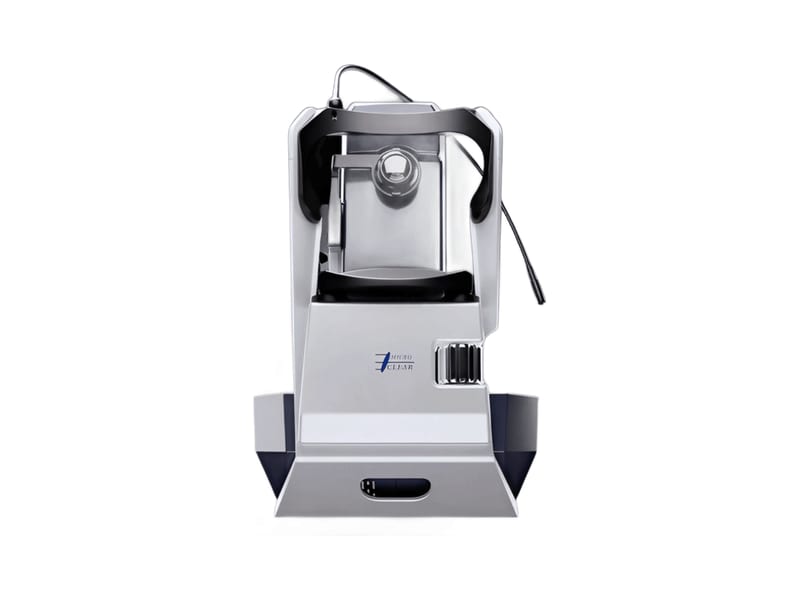
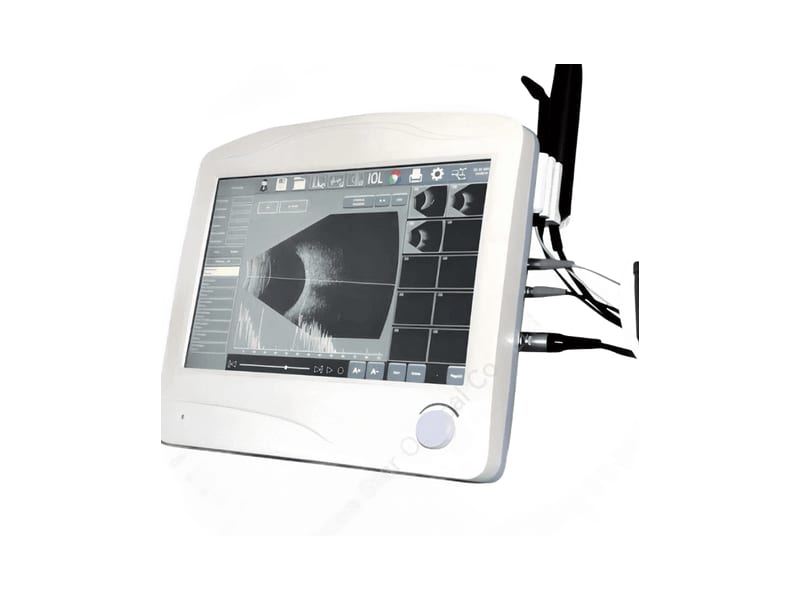
PrecisionMed supplies the MicroClear SKY OCT and the VisionStar RetiWave 1200 A/B/P ultrasound platform, and can configure both into a single diagnostic lane.
Related products
Talk to an ophthalmic specialist
Send us your equipment list and timeline. We reply within one business day.